When TV Stopped Following Real Life
There was a point where TV in the UK started feeling out of sync with everyday routines. Fixed schedules, channels nobody asked for, and the same viewing patterns repeating themselves. That moment is usually when people begin asking what is IPTV, not out of curiosity, but out of frustration.
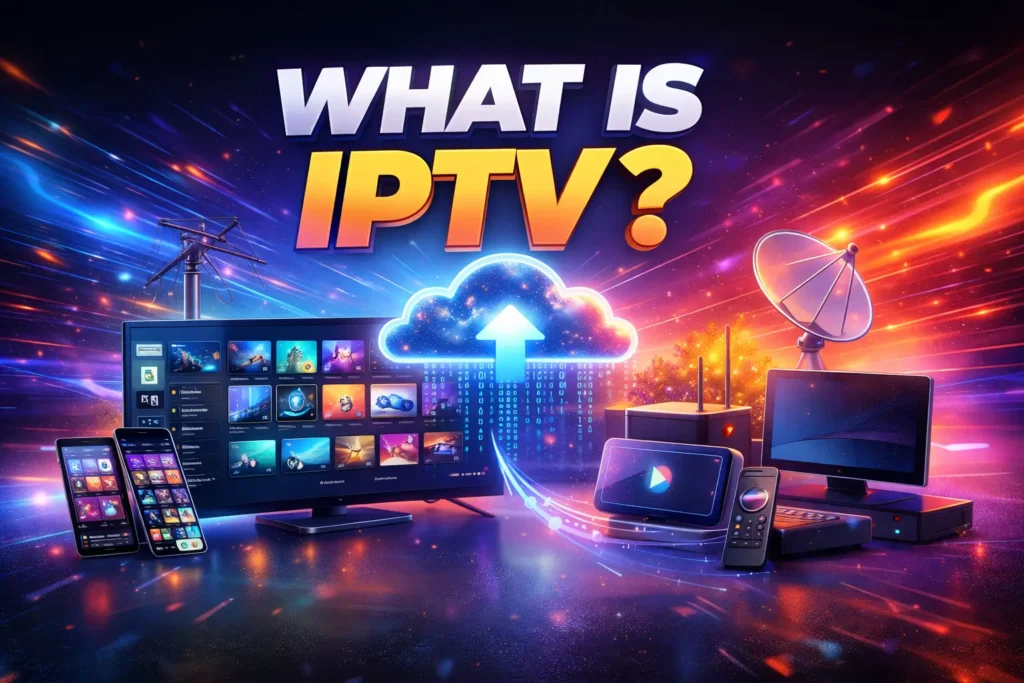
At its core, what is IPTV really about choice. Instead of relying on satellite dishes or cable lines, television arrives through an internet connection, quietly adapting to how people actually watch today. Evening shows on a Smart TV, late-night catch‑ups on a tablet, or quick viewing on a phone, everything fits around real life rather than interrupting it.
For UK viewers, the meaning behind what is IPTV goes beyond technology. It’s about control. Choosing content without waiting, switching devices without hassle, and shaping a personal way of watching that feels natural. This shift is why many households now explore modern internet TV options through services found on the British IPTV Sub homepage, where flexibility replaces rigid television habits.

The Moment TV Became Easier in the UK
TV didn’t suddenly change overnight. It slowly became annoying. Missed shows, fixed times, and content you never asked for. That’s usually when people in the UK start wondering what is IPTV, not because it sounds modern, but because regular TV stopped making sense.
What IPTV Actually Means for UK Viewers
Forget technical definitions. For most households, what is IPTV is simple: TV that comes through the internet and adapts to your routine instead of controlling it. You watch when it suits you, pause when life interrupts, and switch screens without starting over.
What people notice first:
- No fixed schedules
- One account, multiple screens
- Content starts when you press play
Why This Shift Happened So Naturally
Fast broadband made the transition feel obvious. Once streaming became reliable across the UK, IPTV felt less like a new technology and more like a practical upgrade. That’s why what is IPTV spread quietly, through habit, not hype.
Many readers explore real UK use cases through articles shared on the British IPTV Sub blog, where IPTV is discussed as an everyday viewing choice rather than a technical product.
The One Thing That Makes IPTV Work
It’s not speed. It’s stability. A steady internet connection keeps everything smooth across TVs, phones, and tablets. When that’s in place, what is IPTV stops being something you think about and simply becomes how you watch TV now.
Short, flexible, and built around real life. That’s why IPTV stuck.

How IPTV Content Reaches Your Screens
People rarely think about the technology once it works, and that’s exactly the point. For most users, what is IPTV becomes clear the moment content follows them from one screen to another without effort. Whether it’s a Smart TV in the living room or a phone in your hand, everything feels connected.
IPTV uses two simple delivery ideas that match how people watch. On‑demand content is sent directly to you, so playback starts, pauses, and resumes on your terms. Live TV works differently, the same stream is shared efficiently so many viewers can watch at the same time without overload. You don’t see this happening, you just feel the smoothness.
Why Smart TVs and Streaming Devices Matter
Smart TVs and small streaming devices quietly carry most of the experience. They remove the need for extra hardware and turn IPTV into something you open like any other app. That simplicity is why many UK viewers feel comfortable exploring IPTV through guides such as this UK Firestick IPTV setup walkthrough, which shows how quickly everything can be ready.
Once set up, the technology fades into the background. That’s when what is IPTV stops being about systems and starts being about convenience.
Here’s the only part most users really need to understand:
| What matters | Why it matters |
|---|---|
| Stable internet | Keeps playback smooth |
| Right device | Makes access effortless |
| Smart delivery | Adapts to live and on‑demand viewing |
When these pieces line up, IPTV feels natural. You don’t manage it, you just watch. And that’s usually the moment people stop asking what is IPTV and simply enjoy it.
How IPTV Is Actually Used by UK Viewers
Once people understand what is IPTV, they usually stop thinking in terms of “services” and start thinking in habits. IPTV in the UK isn’t one single model. It’s a mix of ways people watch, depending on time, mood, and routine.
Paid IPTV services and why people choose them
Subscription-based IPTV is the most common choice for households that want everything in one place. Live TV, on‑demand viewing, and catch‑up features sit together behind one login. The appeal isn’t the number of channels, it’s predictability. You know what works, when it works, and on which screen.
For many UK users, the attraction of paid IPTV comes down to three things:
- Consistent streaming quality
- Access across multiple devices
- Viewing without relying on fixed schedules
That’s usually the point where what is IPTV becomes less theoretical and more practical.
Free and casual IPTV viewing
Some viewers use IPTV more casually. Free, ad‑supported options exist and are often used as a secondary way to watch TV. These services are usually lighter, with fewer features, but they fit moments where viewers just want something playing without commitment. For occasional viewing, that simplicity is enough.
Catch‑up and on‑demand habits
One of the strongest IPTV habits in the UK is watching content after it airs. People don’t rush home anymore. They watch later, pause halfway, or finish on another device. This flexibility is central to what is IPTV, because it removes pressure from viewing altogether.
Choosing IPTV Providers People Actually Trust
Once the basics make sense and what is IPTV no longer feels confusing, the real decision becomes practical. Which service fits daily viewing without creating new problems? For most users, the answer isn’t about chasing features, it’s about stability, clarity, and how easily everything works across devices.
Good IPTV providers tend to share the same qualities. They activate quickly, don’t overcomplicate setup, and feel predictable during normal use. Viewers want TV that plays when they press play, nothing more, nothing less.
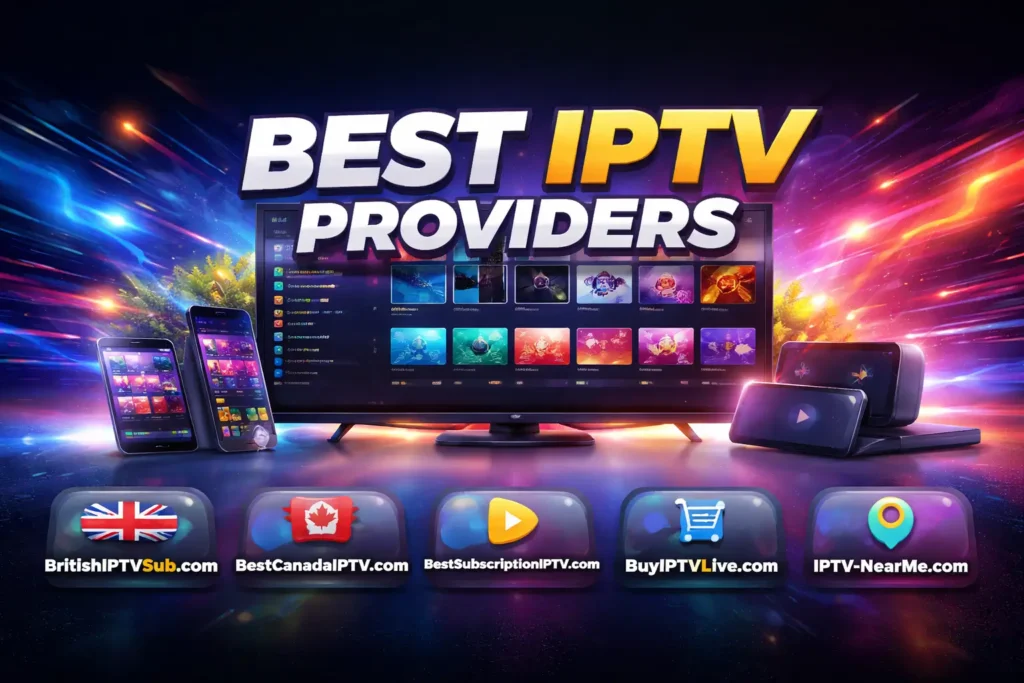
Here’s how many people compare IPTV providers in real life:
| IPTV Provider | What users usually look for | Best for |
|---|---|---|
| BritishIPTVSub.com | UK-focused access, simple setup | UK households |
| BestCanadaIPTV.com | Broad coverage and flexibility | International viewing |
| BestSubscriptionIPTV.com | Balanced plans and usability | Everyday streaming |
| BuyIPTVLive.com | Straightforward activation | Quick access |
| IPTV-NearMe.com | Location-friendly availability | Flexible use |
Rather than picking based on names, most viewers choose based on how well the service fits their routine. That’s when what is IPTV turns into something practical instead of theoretical.
For readers who want to explore a UK-oriented IPTV service in more detail, starting directly from the British IPTV Sub homepage usually gives a clear picture of how a structured IPTV platform is presented.
At the end of the day, the best IPTV provider isn’t the one that promises the most. It’s the one that quietly works, every day, without asking for attention.

IPTV vs Traditional TV (What Actually Changes for UK Homes)
For many households, the switch didn’t happen because IPTV sounded impressive. It happened because everyday TV started feeling restrictive. Fixed schedules, unused channels, and long commitments pushed people to look for something that fit real life better. That’s usually where what is IPTV becomes a practical question, not a technical one.
Control instead of schedules
Traditional television still works on a broadcast mindset. Program times are fixed, and viewers adjust their day around them. IPTV flips that logic. You decide when something starts, when it pauses, and when it continues. Live TV still exists, but it no longer controls your routine.
This is why many UK viewers notice the difference quickly:
- Watching across multiple devices without restarting
- Catching up later instead of rushing home
- Letting TV adapt to daily life, not the opposite
Cost reality for UK households
Pricing is another area where habits change. Traditional TV often bundles everything together, whether you use it or not. IPTV tends to feel lighter because plans are usually shorter and easier to adjust. People pay for access, not long commitments.
Here’s how it feels in everyday terms:
| Aspect | Traditional TV | IPTV |
|---|---|---|
| Viewing times | Fixed schedules | Watch anytime |
| Device access | Limited screens | Multiple devices |
| Commitment | Long contracts | Flexible terms |
Many readers compare options after exploring UK-focused IPTV insights like this guide to IPTV services in the United Kingdom.
Where Most UK Viewers Quietly Land
After a few weeks of using it, the comparison usually settles itself. Traditional TV still works, but it asks for patience. IPTV asks for very little. Once that difference is felt, what is IPTV stops being something to debate and becomes the more comfortable way television fits into everyday UK life.
Why Content Feels Broader and Easier to Reach
One of the first things people notice is access. IPTV opens the door to a wider mix of content styles without forcing viewers into one place or one screen. Live viewing, catch-up, and on-demand options exist side by side, so people choose based on mood, not schedules.
What really changes is accessibility. Content follows you. A show started on a TV can continue later on a tablet or phone. That flexibility is central to what is IPTV, because it removes the idea that television belongs to a single room.
How UK Viewers Choose IPTV Providers
In the UK market, choice matters more than names. Viewers tend to look for stability, ease of use, and clear access rather than flashy promises. Some prefer services that feel familiar, others explore newer platforms that focus on flexibility and simplicity.
Most people narrow their choice by asking a few practical questions:
- Does it work smoothly across devices?
- Is access simple without long commitments?
- Does it fit daily viewing habits?
Guides like this overview of UK IPTV services and options often help readers understand how different providers approach these needs.
The Direction TV Is Already Moving In
Television in British homes isn’t disappearing, it’s adapting. IPTV didn’t replace TV, it reshaped how people interact with it. Control replaced schedules, flexibility replaced waiting, and access replaced location.
At that point, what is IPTV no longer feels like a trend or a technical term. It feels like television finally adjusted itself to how people actually live.
A Different Kind of FAQ (Based on Real Use)
Is IPTV hard to get used to?
Most users adapt quickly. After a short adjustment, it feels simpler than traditional TV.
Does IPTV replace traditional TV completely?
For many households, yes. Others keep both for a while before naturally relying more on IPTV.
Is IPTV tied to one device?
No. One of its strengths is moving easily between screens.
Why do people keep using IPTV long term?
Because once it fits into daily routines, there’s little reason to go back.
Over time, viewers stop asking what is IPTV altogether. It simply becomes how television works for them now.