The Moment You Stop Caring About Cables
I didn’t switch because I love tech. I switched because I was tired. Tired of messy cables, tired of paying for stuff I never watched, and tired of every “new streaming thing” sounding like homework.
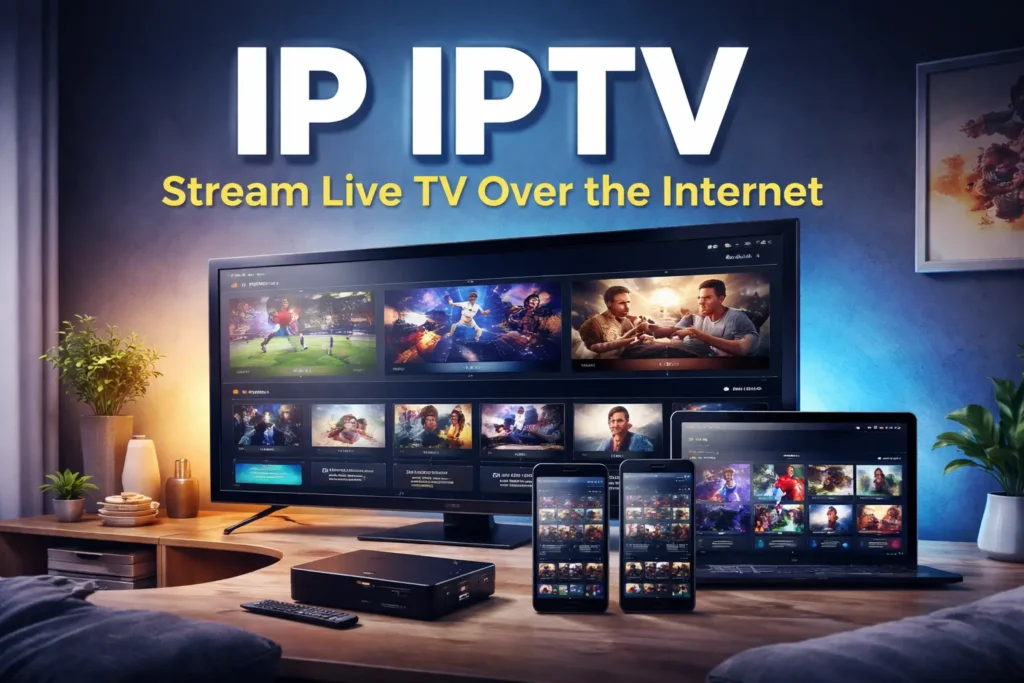
That’s where ip iptv comes in. It’s simply TV delivered through your internet connection instead of old broadcast signals. Your device requests a stream, the server sends video data, and it shows up on your screen in real time.
If you want the clean, plain‑English version first, this quick page on what IPTV is in 2026 makes the whole idea easier to digest.

Once you get that basic concept, ip iptv stops sounding complicated and starts feeling like a practical upgrade.
Quick Takeaways Before We Go Deeper
Let’s simplify this before it turns into tech overload.
• Television delivered through your internet connection
• More flexibility compared to rigid broadcast schedules
• No satellite dish or traditional cable required
• Streaming quality depends on internet speed
• Designed to modernise how content reaches your screen
That’s the foundation behind ip iptv.
What “IP IPTV” Really Means (Without the Jargon)
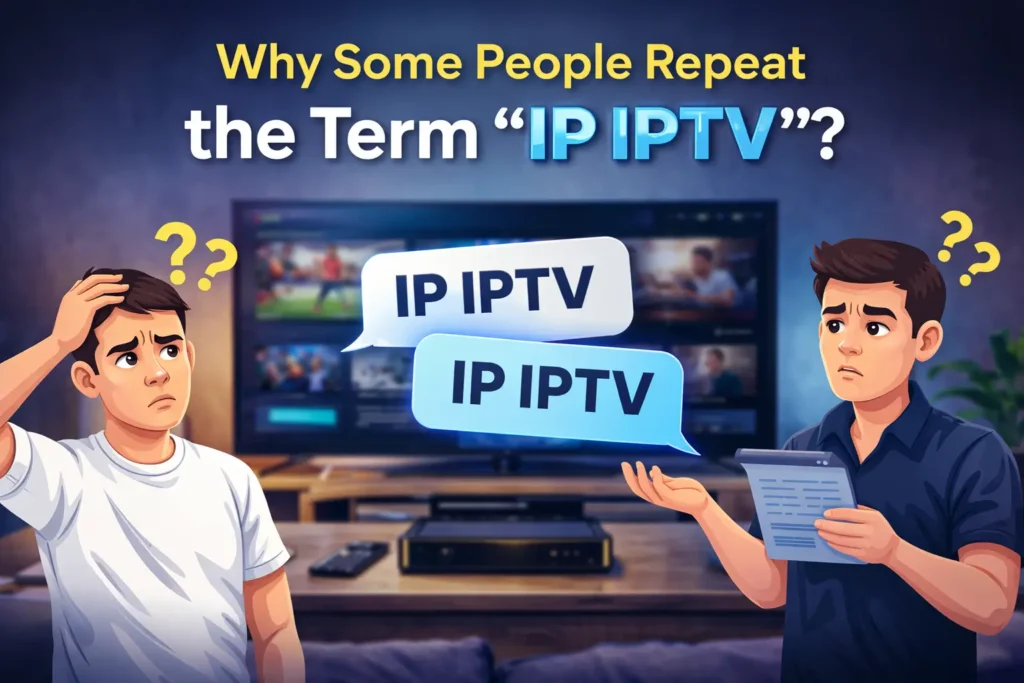
At first glance, ip iptv sounds like someone repeated themselves by mistake. It isn’t a typo. It’s just emphasis.
“IP” stands for Internet Protocol. It’s the system that allows data to move across networks. Every website, video, and email you open uses it.
When people say ip iptv, they’re simply stressing that television is delivered using Internet Protocol instead of satellite or cable transmission.
In practical terms, ip iptv means:
Your device connects to a streaming server.
The server sends compressed video data.
Your device decodes it instantly.
Your screen displays the content in real time.
No broadcast tower involved.
Why Traditional TV Started Feeling Outdated
The frustration wasn’t only about content. It was about control.
• Fixed channel bundles
• Long contracts
• Installation delays
• Limited portability
With ip iptv, content flows through your broadband instead. That shift changes everything. You’re no longer dependent on physical infrastructure outside your home.
Why Some People Repeat the Term
People use “ip iptv” to highlight the internet-based delivery system. It distinguishes it from older broadcast models.
Here’s a clean breakdown:
| Term | What It Means |
|---|---|
| IP | Internet Protocol, data transfer rules |
| IPTV | Television delivered over internet networks |
| IP IPTV | Emphasises internet-protocol-based TV delivery |
Once you understand that structure, ip iptv stops sounding technical and starts sounding logical.
It’s simply television re-routed through the internet instead of traditional signals.
From Server to Screen – What Really Happens in the Middle
Understanding ip iptv becomes much easier when you picture the full journey instead of just the final image on your TV.
Everything starts on remote servers. These servers store live channels, replays, and on‑demand libraries. The content isn’t sitting inside your home. It’s hosted elsewhere, professionally encoded and prepared for streaming.
When you select something inside an app, a request is sent out. That request travels across the internet using Internet Protocol rules. The server responds by sending compressed video data back to you.
This is where ip iptv shows its efficiency. The data is split into small packets, transmitted quickly, then reassembled by your device in real time.
Your device, whether it’s a box, Smart TV, or streaming stick, decodes the stream instantly. Once decoded, the video is rendered on your screen. That’s the moment you see the picture.
If the internet connection is stable, ip iptv feels seamless. If the connection drops or slows down, you notice buffering. The system itself is fast. The bottleneck is usually bandwidth.
Devices That Support IP IPTV
One of the strengths of ip iptv is flexibility. It isn’t locked to one type of hardware.
Here’s where it typically runs:
• Dedicated IPTV set‑top boxes
• Android TV devices
• Smart TVs with compatible apps
• Streaming sticks and HDMI dongles
Set‑top boxes are often the simplest option because they’re built specifically for streaming. Android systems offer more customization. Smart TVs reduce the need for extra hardware.
If you’re using a streaming stick and want a detailed walkthrough, this step‑by‑step guide for UK IPTV Firestick setup explains the configuration clearly.
Apps and Login Formats Explained Simply
Applications are what connect your device to the service.
Common IPTV apps include:
• TiviMate
• IPTV Smarters
• XCIPTV
These apps use different login formats. The two most common are:
• M3U playlist links
• Xtream Codes credentials
If you’ve ever wondered how those credentials function behind the scenes, the technical side of ip iptv becomes clearer when you understand how the login connects your app to the streaming server.
At the end of the day, ip iptv is simply a structured data exchange between servers and your device. Once you see it that way, the system feels logical instead of mysterious.

The Apps That Make Everything Work
No matter how strong your connection is, you still need the right app to unlock ip iptv properly. The device is just hardware. The app is the control centre.
Here are the ones most users rely on:
TiviMate
Clean layout, strong EPG support, fast channel switching. Ideal for people who want structure and organisation.
IPTV Smarters Pro
Playlist management, multi‑screen options, and recording support in some setups. Very beginner‑friendly.
XCIPTV Player
Simple interface, stable performance, supports multiple login methods without feeling overloaded.
Each of these apps connects your subscription to the streaming server. Once authenticated, ip iptv becomes instantly accessible across categories and channels.
M3U vs Xtream Codes – What’s the Difference?
Most services use one of two login formats.
| Login Format | What It Is | How It’s Used |
|---|---|---|
| M3U Playlist | A file containing channel URLs | Imported into IPTV apps |
| Xtream Codes | Username, password, server URL | Entered directly in app login |
An M3U file acts like a directory of streams. Xtream Codes act like account credentials. Both connect your app to the provider’s streaming servers.
Understanding this part removes most of the confusion around ip iptv setup.
IP IPTV vs Cable TV – What Actually Changes?
Let’s compare it clearly.
| Feature | IP IPTV | Traditional Cable |
|---|---|---|
| Signal Delivery | Internet-based | Physical cable lines |
| Device Flexibility | Multiple compatible devices | Mostly fixed TV setups |
| Installation | Plug, connect, login | Technician often required |
| Internet Needed | Yes | No |
The biggest difference isn’t just the signal. It’s control.
Cable depends on infrastructure outside your home. ip iptv depends on your broadband and the quality of the provider behind it.
If you’re comparing service levels or package structures, reviewing the available options on the current IPTV pricing page helps clarify what’s included before deciding.
When configured correctly, ip iptv feels more adaptable. When internet quality is weak, cable may appear more stable. It’s about understanding your setup before choosing.

Internet Speed: The Part People Ignore Until It Buffers
No matter how good the setup is, ip iptv depends on one thing more than anything else — bandwidth.
Here’s a realistic reference most users follow:
| Quality Level | Minimum Stable Speed |
|---|---|
| SD | 2 Mbps |
| HD | 5 Mbps |
| Full HD | 10 Mbps |
| 4K Ultra HD | 25 Mbps |
If multiple devices are streaming at the same time, you’ll need more headroom. ip iptv works best when the connection isn’t competing with heavy downloads or online gaming.
Why Many People Prefer IP IPTV
The appeal of ip iptv usually comes down to flexibility.
• Watch on Smart TVs, boxes, tablets, or streaming sticks
• Access live channels and catch‑up content
• Adjust packages instead of being locked into rigid bundles
For a broader overview of how services are structured, you can browse the latest updates inside the IPTV blog section.
When set up correctly, ip iptv feels modern rather than restrictive.
Where Things Can Go Wrong
Even strong systems have limits.
The most common challenges with ip iptv include:
• Weak broadband stability
• Network congestion at peak hours
• Poor provider infrastructure
If the internet dips below recommended speeds, ip iptv will try to maintain the stream, but you’ll notice buffering.
How to Minimise Buffering
• Run a speed test before troubleshooting
• Switch to wired Ethernet when possible
• Restart your router periodically
• Reduce other bandwidth‑heavy activity
Most buffering complaints aren’t caused by the device itself. They’re caused by the network feeding it.
Security Basics You Shouldn’t Ignore
Streaming convenience shouldn’t mean compromising safety.
• Use trusted IPTV applications
• Keep devices and apps updated
• Avoid unknown APK sources
Some users also run a VPN for added privacy while using ip iptv, especially on shared or public networks.
Final Thoughts on IP IPTV
Once you understand how ip iptv functions — from server to device to screen — it stops feeling complicated. It becomes a structured data exchange powered by your internet connection.
With stable broadband, reliable infrastructure, and proper configuration, ip iptv delivers a flexible alternative to traditional television.
The key isn’t just choosing technology. It’s choosing stability, compatibility, and a setup that fits how you actually watch TV.
Straight Answers People Usually Ask
Is this just another name for streaming?
Not exactly. Regular streaming platforms host their own libraries. This system connects you to live television feeds and structured channel lists through internet-based delivery instead of satellite signals.
Do I need special equipment?
If your TV has an HDMI port or supports compatible apps, you’re already halfway there. Many users choose a dedicated streaming box for smoother navigation, but it isn’t mandatory in every setup.
Why do some setups feel faster than others?
Performance depends on three things: internet stability, server quality, and device capability. When those align, channel switching feels instant. When one is weak, delays appear.
Is Wi‑Fi enough or should I use Ethernet?
Wi‑Fi works in most homes, but wired Ethernet connections tend to deliver more consistent performance, especially for higher resolutions.
What causes freezing during live viewing?
Usually bandwidth drops, network congestion, or background downloads competing for speed. Restarting the router often solves more problems than people expect.
Are updates important?
Yes. Keeping apps and devices updated reduces bugs and improves compatibility with streaming servers.
Is privacy something to think about?
Absolutely. Use recognised applications, avoid unknown download sources, and consider encrypted connections if privacy matters to you.
Can it fully replace traditional television?
For many households, yes. As long as broadband is reliable, the experience can feel just as stable, with far more flexibility.
DMCA Disclaimer
This website does not host, store, or distribute any media content. All content accessed through third‑party applications or services is the responsibility of the respective service providers. We do not endorse or promote copyrighted material without proper authorization. Users are responsible for ensuring compliance with local laws and regulations when using streaming services.